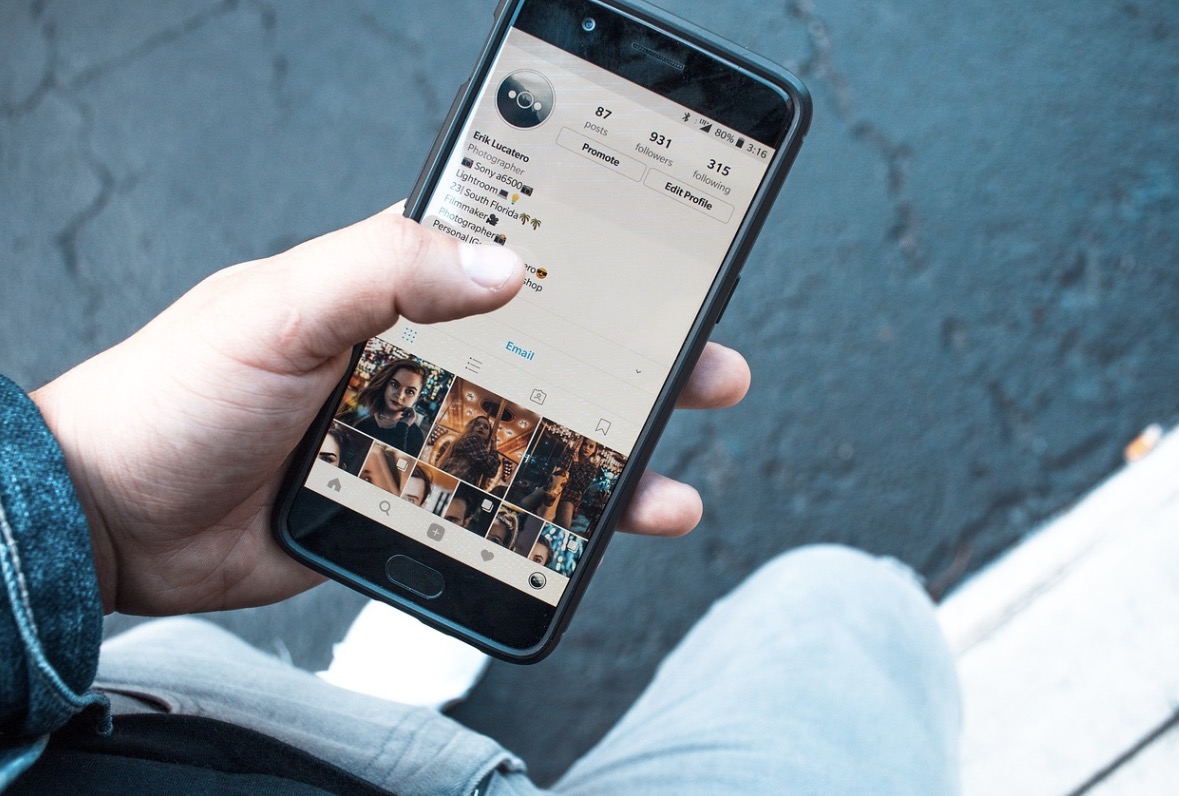
Late at night, many teenagers scroll through their phones, watching videos or finishing homework on glowing screens. But scientists say that this may be doing more than just passing time. The blue light emitted by devices like smartphones and laptops can interfere with the body’s natural sleep cycle, known as the circadian rhythm. By reducing the production of melatonin, the hormone that helps people fall asleep, blue light can make it harder for teens to get the rest they need. As sleep plays a critical role in mood, focus, and overall health, growing evidence suggests that nighttime screen use is having a significant impact on how well teenagers sleep.
According to Harvard Health Researchers, Blue light affects sleep by interfering with the body’s natural timing system. While light of any kind can suppress the secretion of melatonin, blue light at night does so more powerfully. When teenagers use devices late at night, their brains may interpret the light as a signal to stay alert rather than wind down. This can delay the release of melatonin, making it more difficult to fall asleep even after putting devices away. Because many teens already have shifting sleep schedules, this added disruption can push bedtimes even later.
Beyond falling asleep later, screen use before bed can also affect how restful that sleep is. Interrupted or lower-quality sleep can build up over time, leading to noticeable effects during the day. According to the Sleep Doctor, it’s very important to be mindful of the sources of blue light and daily exposure levels to help reduce the risk of negative health outcomes. Specifically, teenagers who do not get enough deep sleep may find it harder to concentrate in school, manage stress, or stay energized throughout the day. These impacts can extend beyond academics, influencing mental health and overall well-being.
Blue light exposure is a small but important factor that can have a real impact on teenagers’ sleep. As screen use becomes a regular part of daily life, especially at night, it is important to recognize how these habits may be affecting overall health. Simple changes, such as limiting screen time before bed or using night mode settings, can help reduce these effects. By becoming more aware of how technology influences sleep, teenagers can make better choices that support both their rest and their performance during the day.