Ozempic is a prescription medication mainly used to treat type 2 diabetes. In recent years, it has also become well known for helping people lose weight.
Ozempic is the brand name for semaglutide, a medication approved by the U.S. Food and Drug Administration to treat type 2 diabetes. It is given as a once-a-week injection using a prefilled pen. Although Ozempic is not officially approved for weight loss, a higher-dose version of semaglutide called Wegovy has been approved for chronic weight management. Both medications contain the same active ingredient but are prescribed for different primary purposes.
Type 2 diabetes is a condition in which the body either does not make enough insulin or cannot use insulin properly, according to the Mayo Clinic. Insulin is a hormone that helps move sugar (glucose) from the blood into the body’s cells, where it is used for energy. When insulin does not work correctly, blood sugar levels rise, according to the Mayo Clinic. Over time, high blood sugar can damage the heart, kidneys, eyes, and nerves.
For people with type 2 diabetes, Ozempic can significantly lower A1C levels. A1C is a blood test that shows average blood sugar levels over the past 2-3 months. The American Diabetes Association says that lowering A1C reduces the risk of long-term complications from diabetes. In studies, many patients taking Ozempic were able to reach their target A1C levels.
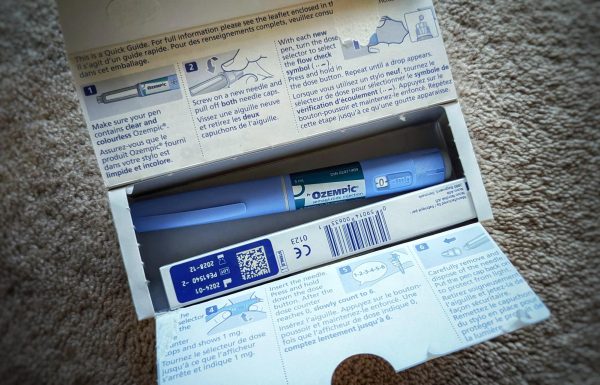
Ozempic is part of a class of drugs called GLP-1 receptor agonists. GLP-1 stands for glucagon-like peptide-1, which is a hormone that your body naturally produces in the intestines after you eat. This hormone, according to the National Library of Medicine, tells the pancreas to release insulin when blood sugar levels are high, as well as lowers the amount of glucagon, a hormone that raises blood sugar. It also slows down how quickly food leaves the stomach and affects areas of the brain that control appetite, making people feel full sooner and for a longer time.
By mimicking the GLP-1 hormone, Ozempic helps lower blood sugar in several ways at once. It increases insulin, reduces extra sugar released by the liver, and slows digestion so that sugar enters the bloodstream more slowly. It affects appetite, which is one of the main selling points to people who want to lose weight. When the stomach empties more slowly and the brain receives stronger “full” signals, people often eat less without feeling hungry. This combination explains why many people taking Ozempic experience weight loss in addition to improved blood sugar control.
When used for weight management in higher doses under the brand name Wegovy, semaglutide has led to significant weight loss in clinical trials. Some patients lose 10% or more of their body weight over time. However, results vary from person to person. Factors such as diet, physical activity, and verbal health can affect how much weight someone loses. In addition, weight loss usually continues only while the medication is being taken. If the medication is stopped, some weight may be regained, especially without long-term lifestyle changes.
Like all medications, Ozempic has side effects. The most common side effects are related to the digestive system. These include nausea, vomiting, diarrhea, constipation, stomach pain, and decreased appetite. Nausea is especially common when someone first starts the medication or when the dose is increased. In many cases, these symptoms become milder over time as the body adjusts.
There are also more serious but less common side effects. Ozempic may increase the risk of pancreatitis, which is inflammation of the pancreas. Ozempic can also cause gallbladder problems, including gallstones. In animal studies, semaglutide was linked to thyroid tumors. Because of this, Ozempic is not recommended for people with a personal or family history of certain types of thyroid cancer.
Low blood sugar, called hypoglycemia, can also occur, according to the Mayo Clinic. The risk of this is increased if Ozempic is taken with other diabetes medications such as insulin or sulfonylureas. Symptoms of low blood sugar include shakiness, sweating, dizziness, confusion, and a fast heartbeat. People taking Ozempic should monitor their blood year levels as directed by their healthcare provider.
Even though Ozempic can be very effective, it is not the right choice for everyone. A healthcare provider will consider a person’s medical history, current medications, and overall health before prescribing it. Cost and insurance coverage can also be important factors, as Ozempic can be expensive without insurance.
There are other treatment options available for both type 2 diabetes and weight management. For diabetes, common medications include metformin, which is often the first drug prescribed. Metformin helps lower blood sugar by reducing sugar production in the liver and improving insulin sensitivity. Other options include SGLT2 inhibitors, which help the kidneys remove extra sugar through urine, and DPP-4 inhibitors, which also affect hormones involved in blood sugar control. Insulin therapy may be necessary for some people if other medications are not enough.
For weight management, lifestyle changes are always the foundation of treatment. Healthy eating, regular physical activity, adequate sleep, and stress management all play important roles. ther medications approved for weight loss include liraglutide (Saxenda), phentermine-topiramate, and naltrexone-bupoprion. In cases of severe obesity or obesity with serious health conditions, bariatric surgery may be considered.
Ozempic represents a significant development in the treatment of type 2 diabetes and obesity. By targeting hormonal pathways involved in blood sugar control and appetite regulation, it offers measurable improvements in metabolic health and cardiovascular risk for many patients. However, it is not a universal solution. Its benefits must be weighed against potential risks, costs, and the likelihood of long-term effectiveness. As research continues, Ozempic remains one component of a broader, individualized strategy for managing chronic metabolic disease.