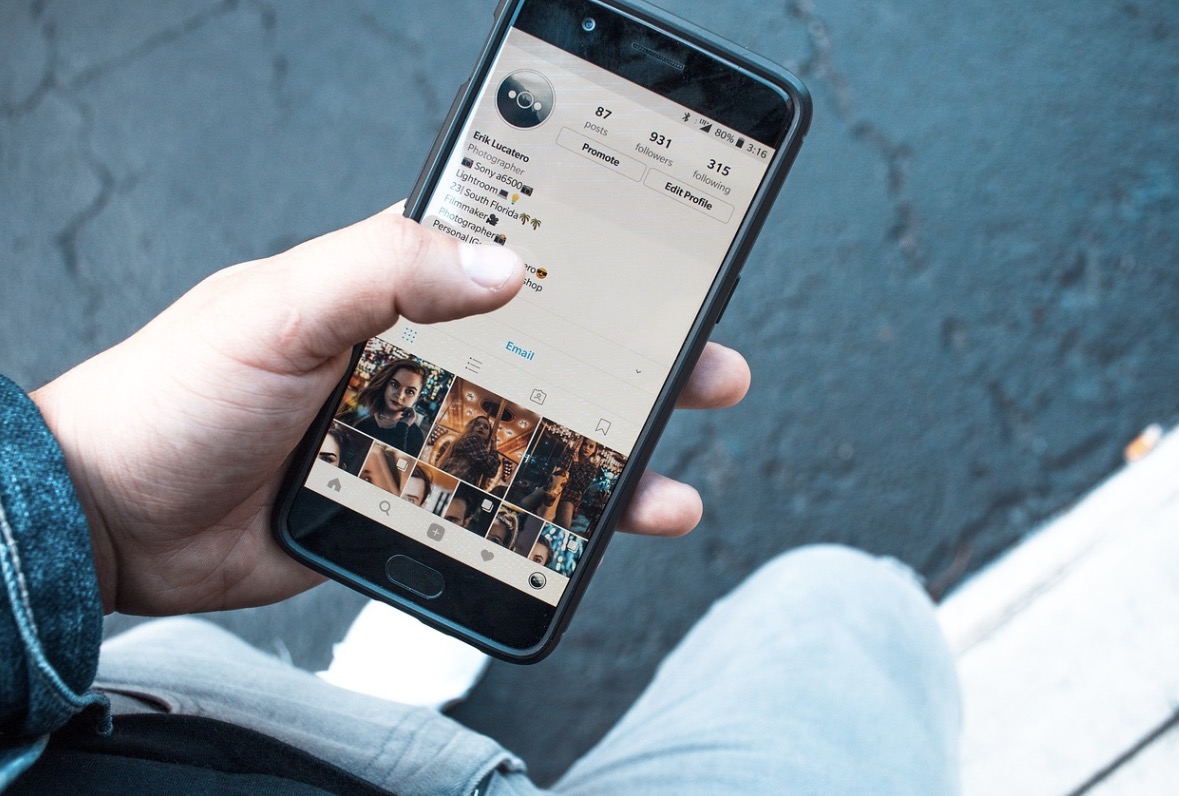
Imagine a young girl sitting on her bed. She is scrolling through Instagram reels. Now, imagine what that girl could be doing. She could be playing outside, working out, or just simply watching a movie. How fulfilling would that be instead of wasting life away on a pointless algorithm? That is the reality for 1 in 5 teens on a day-to-day basis.
In my opinion, social media is damaging teens’ mental, emotional, and physical health, and parents need to step up and do something about it.
A normal part of having a phone is somehow ending up on social media. With so many different opinions and interests to explore, it can be hard not to avoid the feeling of wanting to scroll. In fact, according to the Pew Research Center, 45% of teens say they spend too much time on social media, up 33% since 2022.
More specifically, in the teen space, mental health has become a leading topic in this debate, meaning that arguments about mental health have spread fairly quickly in social circles. Roughly 34% of teens say that they get at least some information on mental health on social media platforms. This also includes the 9% that get it fairly often, according to the Pew Research Center.
Of course, social media has to be used in moderation, as excessive use can lead to adverse effects that no one wants. According to the Mayo Clinic, a health advocacy organization, 35% of teens use at least one of five social media platforms several times a day, including Instagram, YouTube, and TikTok.
Some examples of healthy social media use include helping teens express themselves, connect with others, either locally or long-distance, or ask for help seeking healthcare. On the other hand, unhealthy social media use includes disrupting sleep, spreading misinformation, or distracting from time with family and friends who want to hang out.
Gender also affects social media use, considering the varying degrees of mental health talk surrounding it, with girls taking the issue into more consideration than guys. 60% of teen girls have tried to cut back on screen time, and 40% of boys have, according to the Pew Research Center.
To help protect children from this ongoing issue, Mayo Clinic advises that parents set limits on screen time to improve sleep, monitor their child’s online activity to keep them safe, and encourage face-to-face contact to foster real relationships without worrying about someone’s tone in text messages.
Talkspace is an therapy site for teens struggling with mental health. One teen said, “I absolutely love the therapist I’ve been paired with, it was really beneficial for me.” You can talk about social media use, school, anxiety, among other things. Click the link to start now.