Every September, like clockwork, Apple unveils its latest iPhone. There’s a flashy event, dramatic music, and a new number added to the name. And every September, millions of people wonder the same thing: what’s actually new this time? The truth is, Apple’s annual iPhone release cycle has become predictable, environmentally costly, and creatively stagnant. If Apple truly wants to lead the tech industry into the future, its next big innovation shouldn’t be another iPhone—it should be breaking the yearly release habit altogether.
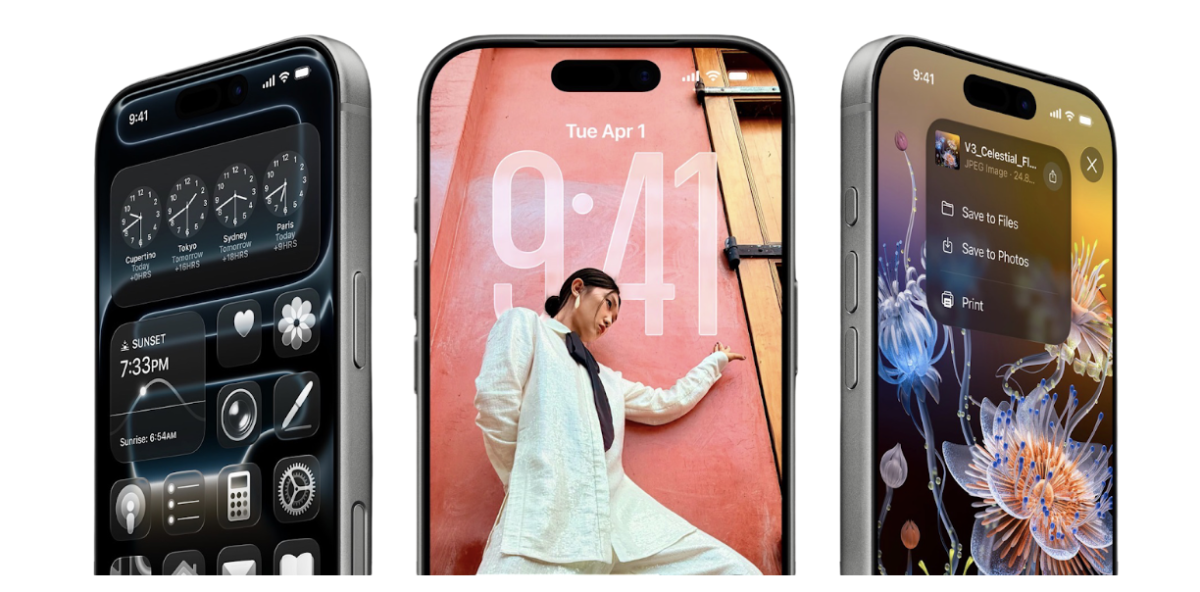
The recent release of the iPhone 17 Pro and 17 Pro Max illustrates this perfectly. According to TechCrunch, Apple’s 2025 lineup adds a slightly faster A19 Pro chip and camera refinements, but “the upgrades might not read as revolutionary on paper” (Wired, 2025). Reviewers have noted that the most visible changes—such as brighter screens and a minor battery bump—are incremental rather than transformative. For most users, the differences are barely noticeable unless they compare phones side by side. Yet these marginal updates come with massive marketing campaigns and four-figure price tags, encouraging consumers to replace perfectly good devices unnecessarily.
Apple’s refinement isn’t a problem in itself—it’s the pace that’s unsustainable. Since 2007, Apple has launched a new iPhone every year, like clockwork. In the early years, each model felt like a genuine leap forward: faster chips, sharper displays, and entirely new designs. But those leaps have slowed. Today, the difference between an iPhone 13, 14, 15, 16, and 17 Pro Max is so small that even enthusiasts struggle to tell them apart. Many consumers now feel “fatigue” toward Apple’s yearly updates and are holding on to phones longer, with the global replacement cycle averaging 3.6 years (SellCell, 2023).
This relentless cycle isn’t just creatively draining—it’s environmentally costly. Manufacturing tens of millions of new iPhones each year requires vast amounts of materials and energy. While Apple touts its “Apple 2030” plan to achieve net-zero emissions through recycled materials, the reality is that the company still contributes significantly to global e-waste. The world generated over 62 million tonnes of electronic waste in 2022, with less than a quarter properly recycled (Global E-Waste Monitor 2024). Each new iPhone adds to that footprint—an issue even Apple acknowledges in its Environmental Progress Report. A slower release cycle would let Apple reduce waste and align its actions more closely with its sustainability rhetoric.
Then there’s consumer fatigue. Apple’s once-thrilling keynotes now feel like reruns—“the best iPhone ever” each time, but with only marginal gains. The excitement that once surrounded every September launch has faded into predictability. By spacing out iPhone releases—perhaps every two or three years—Apple could restore that sense of anticipation and deliver upgrades that feel truly meaningful.
From a business standpoint, Apple might worry that skipping a year would hurt sales. But the opposite could happen. A slower release rhythm could strengthen customer trust and loyalty by emphasizing quality and longevity over hype. It would also allow Apple to focus on expanding its growing ecosystem of products and services—like the Apple Watch, Vision Pro headset, and Apple TV+—which already generate billions in revenue. Apple’s release schedule could be set for a big shake-up, hinting that even the company might be exploring longer cycles.
Culturally, this shift could redefine what “innovation” means. For years, Apple helped shape a tech culture that equated “new” with “better.” But in 2025, with smartphone innovation plateauing, that mindset feels outdated. The iPhone has reached a level of maturity where yearly iteration adds little real value. Instead of chasing annual updates, Apple could dedicate time to developing truly revolutionary technologies—better batteries, smarter AI, or entirely new form factors.
In the end, skipping a year wouldn’t signal weakness—it would signal confidence. It would show that Apple is no longer trapped by its own marketing cycle and is willing to put substance before spectacle. After all, Apple built its legacy on bold decisions, not safe ones.
If Apple really wants to surprise the world again, it shouldn’t announce the iPhone 18 next year. It should announce that there won’t be one.