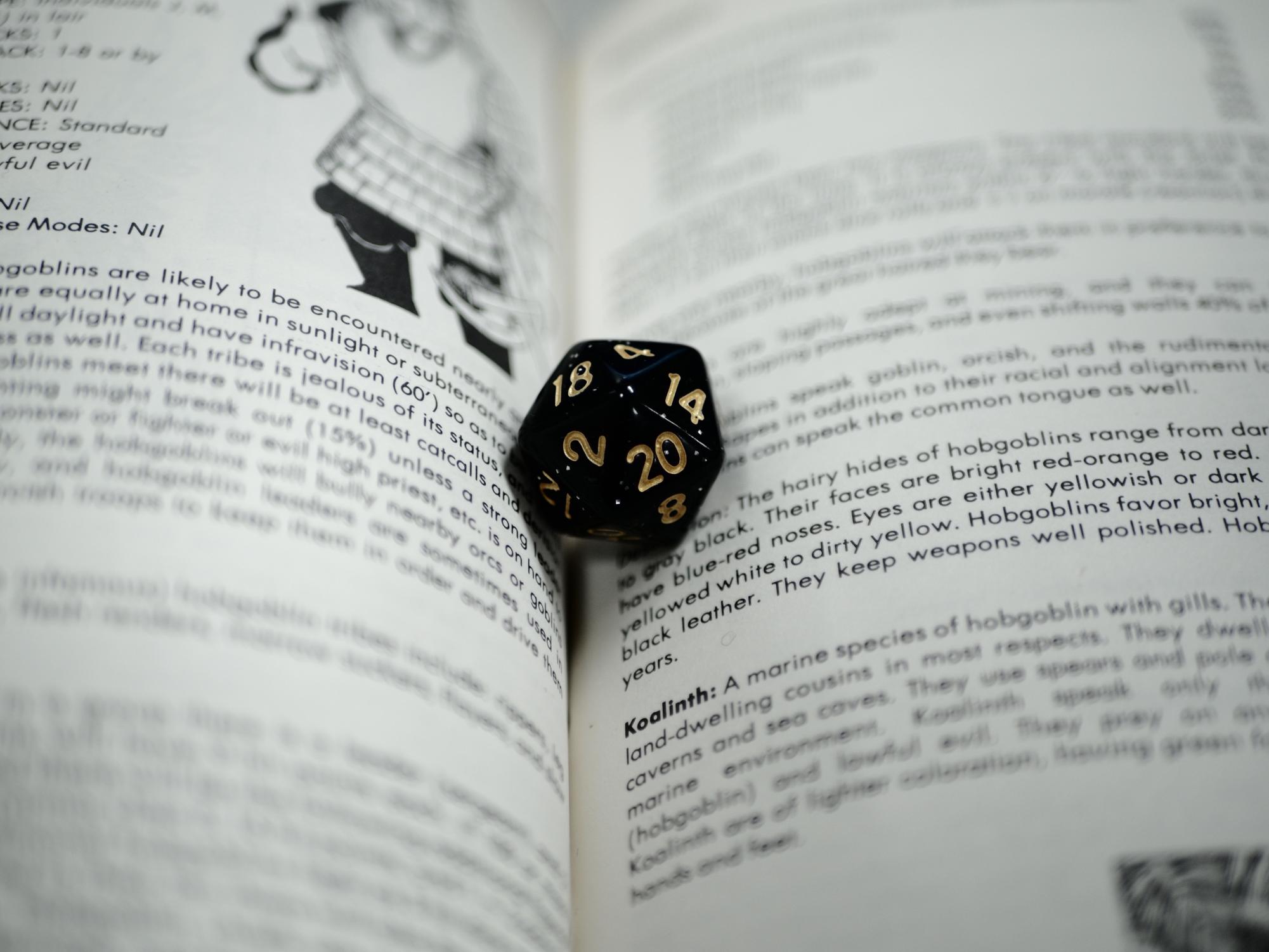
When most people hear about Dungeons & Dragons, they picture people sitting around a table pretending to fight dragons for hours. To outsiders, it can seem weird, childish, or even pointless. But in reality, Dungeons & Dragons is one of the most creative and socially beneficial games ever made. Instead of wasting time, it teaches teamwork, communication, creativity, and problem-solving in ways that many modern games do not.
One of the biggest strengths of D&D is the teamwork it requires. Unlike competitive games where players try to defeat each other, D&D depends entirely on cooperation. Every player has a role to play in the group. A fighter might protect teammates during battles, while a wizard solves problems with magic, and a rogue sneaks through dangerous situations. If players refuse to work together, the group usually fails. Because of this, D&D naturally teaches people how to listen, compromise, and support others.
The game also encourages creativity more than almost any other form of entertainment. In many video games, players can only follow choices already programmed into the game. D&D is different because players can attempt almost anything they can imagine. If someone wants to negotiate with a monster instead of fighting it, they can. If they want to invent a creative solution to escape danger, the story adapts around their choices. This freedom pushes players to think outside the box instead of simply following instructions.
Another reason D&D deserves more respect is that it strengthens communication skills. Players constantly interact with one another through roleplay, planning, and storytelling. Even shy people often become more confident over time because the game gives them a chance to speak up in a supportive environment. In a generation where many social interactions happen through screens and short messages, games that encourage face-to-face communication are more valuable than ever.
Some critics argue that D&D is too nerdy, complicated, or time-consuming. However, many hobbies require time and dedication, whether it is sports, music, or gaming. D&D is no different. The time players spend together often leads to stronger friendships and unforgettable memories. Instead of mindlessly staring at a screen, players are actively thinking, collaborating, and creating stories together.
In the end, Dungeons & Dragons is far more than a fantasy game about rolling dice. It is a game that builds teamwork, imagination, and confidence while bringing people together. In a world where creativity and communication matter more every year, D&D proves that games can actually help people grow instead of holding them back.