For many people, the word “library” still brings up the image of a silent room with endless shelves of books. But today, libraries are becoming something entirely different.
Libraries are becoming social and collaborative spaces not just silent- only zones.
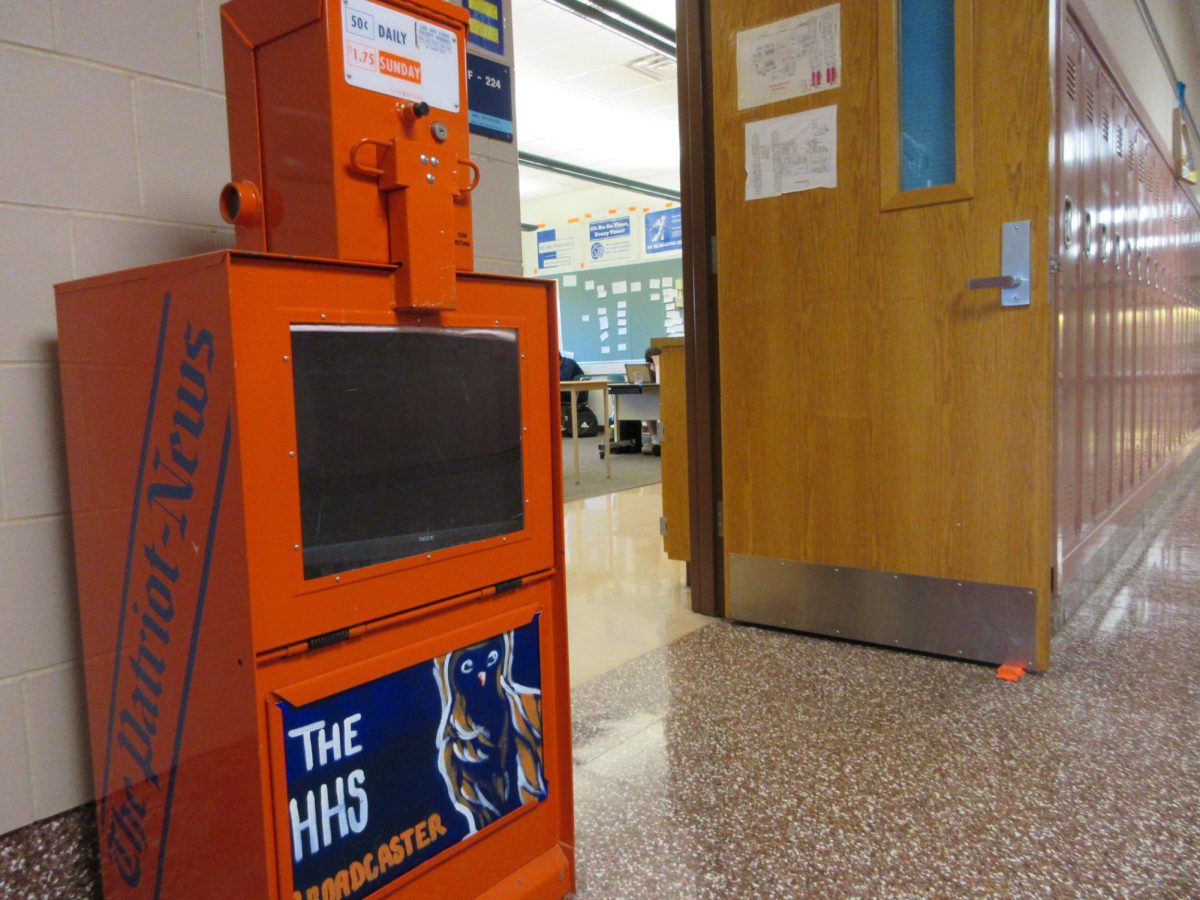
At Hershey Highschool, for example, the library may be used for studying, group projects, or just some place you could go to relax and recharge during a long day. The Hershey public library offers a wider range of programs and opportunities for community engagement. At the Hershey Public Library, you’ll likely see events, clubs or community programs happening.
Librarians have seen this transformation happen in real time, and their perspectives show that this shift extends far beyond one school. At Hershey High School, librarian Ms. Henning explained that “before, many kids only came to get books very quietly,” but now the space has become a place to relax. Library assistant Mr. Agate described the change even more directly: “A library was ‘shh!’—it was quiet and demanded strict silence,” but today, “it’s like a hub.”
Mr. Agate pointed out how much things have changed, especially with technology. He explained that research used to mean digging through “mile-long card catalog drawers,” which he described as “a pain,” but now everything is faster and easier with computers. Even with all these changes, though, librarians say the main purpose hasn’t gone away, as Mr. Agate put it, libraries still give people “a space to socialize as well as to lock in,” something you really can’t replace with just a screen. What used to be a super quiet, book-only space has turned into something way more active—a place that fits how students and communities actually live and learn today.
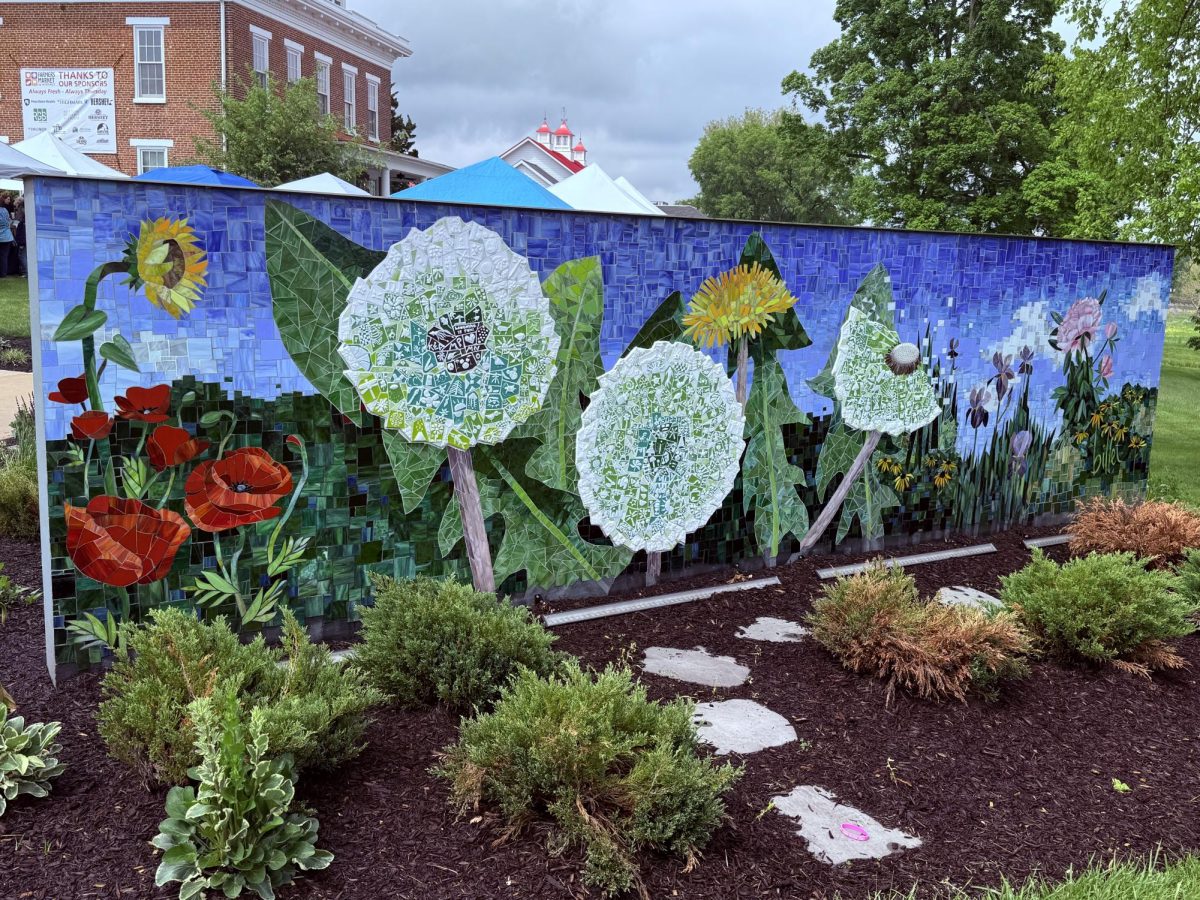
This idea of the library as a “hub” isn’t just happening in one place—it’s becoming normal in both school and public libraries, including places like Hershey Public Library. People don’t just go there to read anymore; they go to hang out, join events, use technology, and connect with others. The public library offers a wide range of programs that are organized by age group and interest. For older adults, there are book talks, larger events where well-known authors come to speak, and art programs. Teen programs are organized by the Teen Advisory Board, led by Mr. Mark Totten, while Mrs. Rita Smith oversees activities for younger kids and tweens. These include “Messy Morning,” video games, Lego Club, Play Day, and “Book Buddies,” where teens can volunteer to read to younger children.
The library is also keeping up with technology, recently adding more computers for public use. Millicent Godoy, a Hershey High School student and volunteer at the library, described the atmosphere as lively rather than silent. “We sometimes joke that our library is not a very quiet one,” she said, explaining that younger kids are often playing while teens spend time talking and hanging out. Even so, the library still provides quieter areas for people who need to focus or study. Godoy emphasized that the library tries to meet different needs, explaining that “sometimes people just need a third space that is not their home or school, so they come to the library.” In the end, she said, the library is not just about reading—it’s about creating a space where people feel comfortable, connected, and part of a community.
At Hershey High School, students describe the library as a place that goes way beyond just academics, mirroring changes happening in libraries today. Freshman Leeland Hall explained how often he uses the space, saying, “I’m in the library like every day,” sometimes even just “to play games.” For him, the library is as much about comfort as it is about productivity—he recalled going there on a day he was on the verge of tears because it was “the first place I could think of to cool off.”
Still, the academic role hasn’t disappeared. Hall added that he feels “more productive in the library” because it’s a “calm, not strict place” that helps him focus. Junior Yusuf Ince highlighted another growing role of libraries, emotional and social support. “There’s lots of times I came to the library because I was really stressed out with school,” he said, adding that even in a fully digital world, he would still go to the library to talk to people. Their experiences reflect a broader shift—libraries today are not just about information, but about environment, balance, and connection.
Another big reason students are starting to appreciate the library more is because of the events it hosts. At Hershey High School, programs like Friendsgiving and the job fair have become some of the most talked-about moments in the space. Instead of just being somewhere to study, the library turns into a place where students can actually enjoy being. Friendsgiving, for example, gives students a chance to relax, eat, and spend time with friends in a setting that normally feels academic, which makes it stand out even more. The job fair, on the other hand, shows a different side of the library—helping students think about their future by connecting them with opportunities and real-world experience. These kinds of events make the library feel more welcoming and useful in everyday life. It’s not just about homework anymore—it’s about community, experiences, and giving students reasons to actually want to be there.
While many people still picture libraries as silent and strict, the reality looks very different today. They’ve become places where people can study, socialize, and simply take a break from the pressure of everyday life. For many, the library has become that “third space”—not home, not school, but somewhere in between where they feel comfortable and connected.